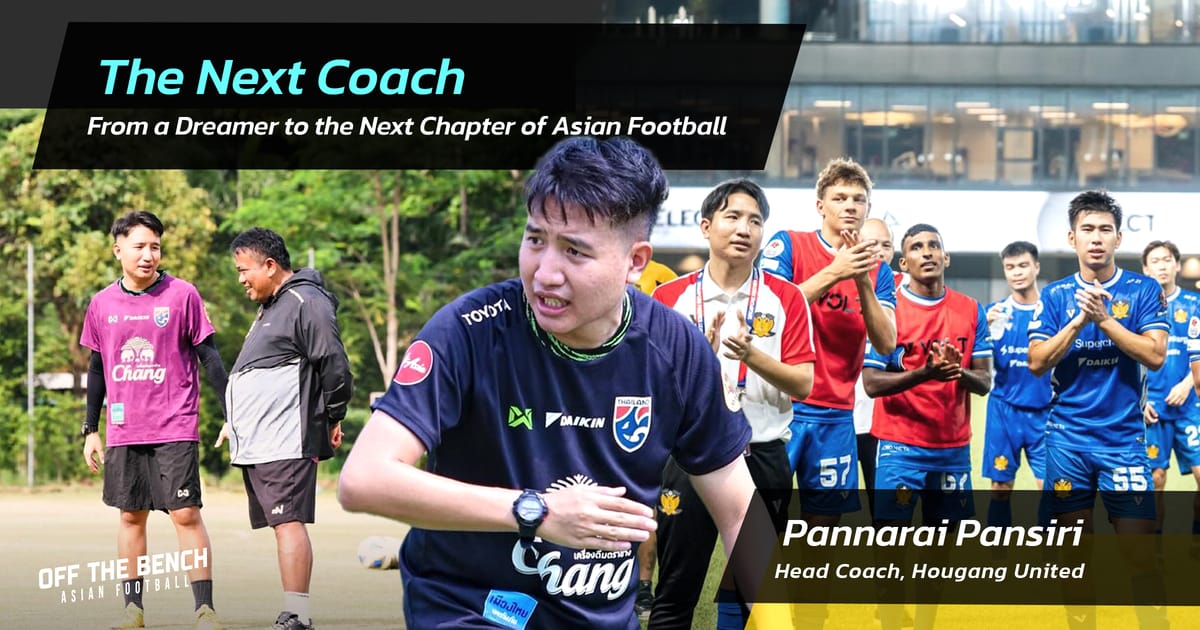
The Next Coach - Pannarai Pansiri
A New Wave of Asian Football Coaches
Throughout the history of football, there have always been stories of young coaches who rose to prominence and challenged the long-held belief that success in management must come with age, experience, and grey hair.
In the modern game, however, age is no longer the defining factor it once was. Across the football world, clubs have become increasingly willing to place their trust in young minds — and this shift has gradually shaped a new coaching trend in contemporary football.

• José Mourinho stepped into his first head coach role with Benfica in 2000 at the age of 37.
• André Villas-Boas, Mourinho’s protégé, became a head coach for the first time with Académica de Coimbra in 2009 at just 32.
• Julian Nagelsmann made history in 2016 when he took charge of Hoffenheim at the age of 28, becoming the youngest head coach in Bundesliga history at the time.
When we turn our attention back to Thai football, similar stories can be found. And among all the names that best represent the image of a new-generation Thai coach, one stands out clearly.
Off The Bench invites football fans to embark on this journey — a journey driven by dreams, determination, and ambition — alongside a man whose story is still being written.
“Otto” Pannarai Pansiri – The Next Coach
The Birth of a New-Generation Coach
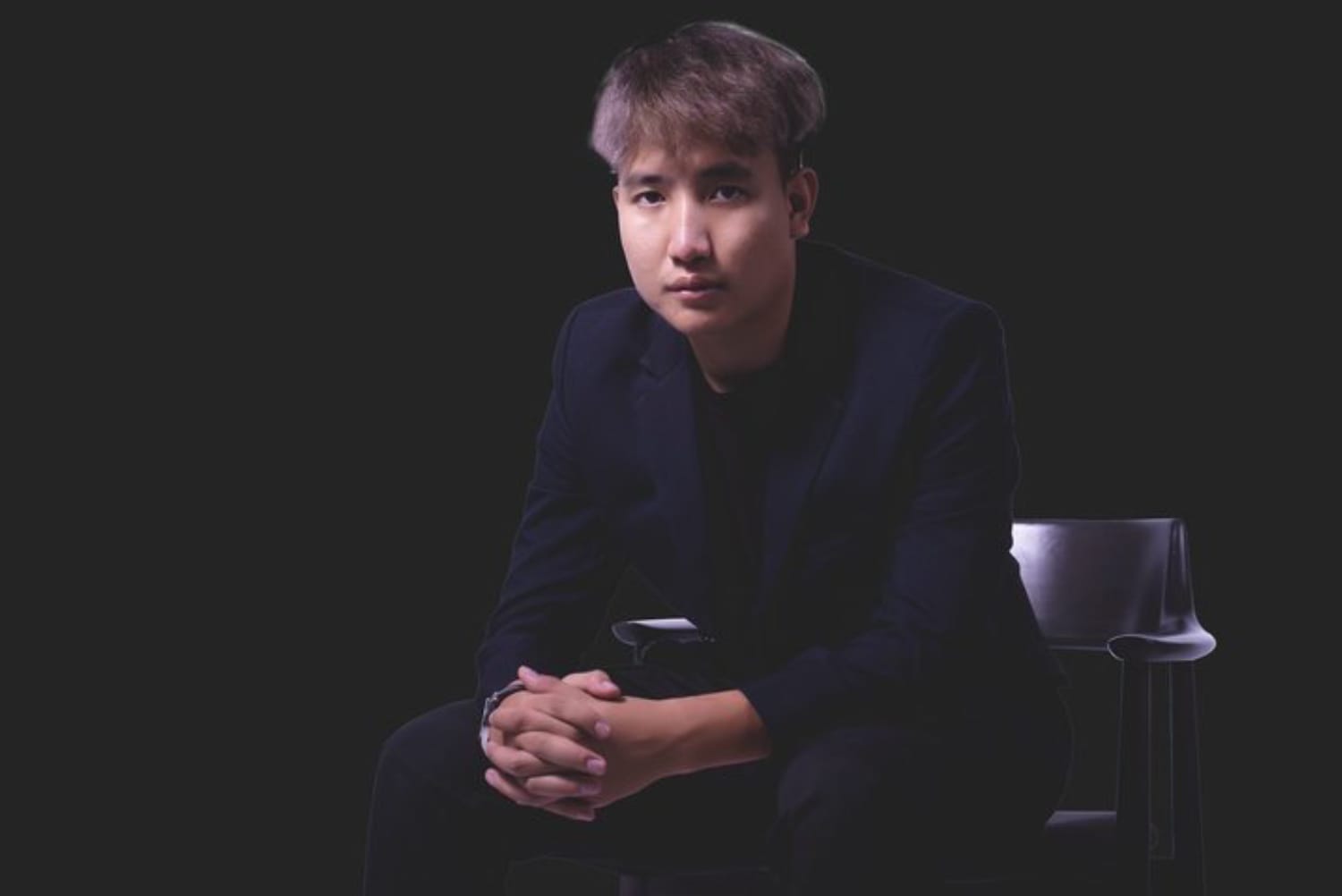
Pannarai Pansiri, widely known as Coach Otto, was born on January 9, 1997 (currently 28 years old). He is a native of Kanchanaburi province. His nickname “Otto” originates from the main character of the famous novel Mad Dog Bleed (พันธุ์หมาบ้า) written by National Artist Chat Kobchitti — a book his father deeply admired, so much so that he chose it as his son’s name.

Otto grew up in Sangkhla Buri, a small and remote district in Kanchanaburi, far from urban convenience. Yet, like many boys, football became an inseparable part of his childhood.
Although he never had the opportunity to train in an academy system like youngsters in major cities, and his playing ability never stood out,
his passion for the game never faded.

As he gradually realized that a professional playing career might not be within reach, Otto chose another path within football — coaching. Remarkably, he made this decision at just 15 years old, driven by a desire to study tactical analysis and the science of football coaching as early as possible.
Family played a crucial role, especially his father. At the age of 15, his father asked him a simple but powerful question:
“If becoming a professional footballer doesn’t work out, what will you do next?”
That question forced Otto to plan his life seriously from a young age — and became the starting point of his journey toward becoming a coach.
Starting as a “Armchair Coach”?

Once he committed to becoming a coach, Otto began educating himself through research and curiosity. At a time when football-analysis pages and educational content were scarce, he turned to Thailandsusu, a popular Thai football webboard, and asked a simple question:
“If I want to become a football coach, where should I start?”
That forum became his first classroom — a place where he exchanged ideas, discussed tactics, and learned the fundamentals of coaching philosophy.
At 18, Otto began attending coaching courses. Back then, age restrictions were minimal and costs were far more accessible, allowing him to become one of the early pioneers of Thai coaches who earned licenses at a very young age.
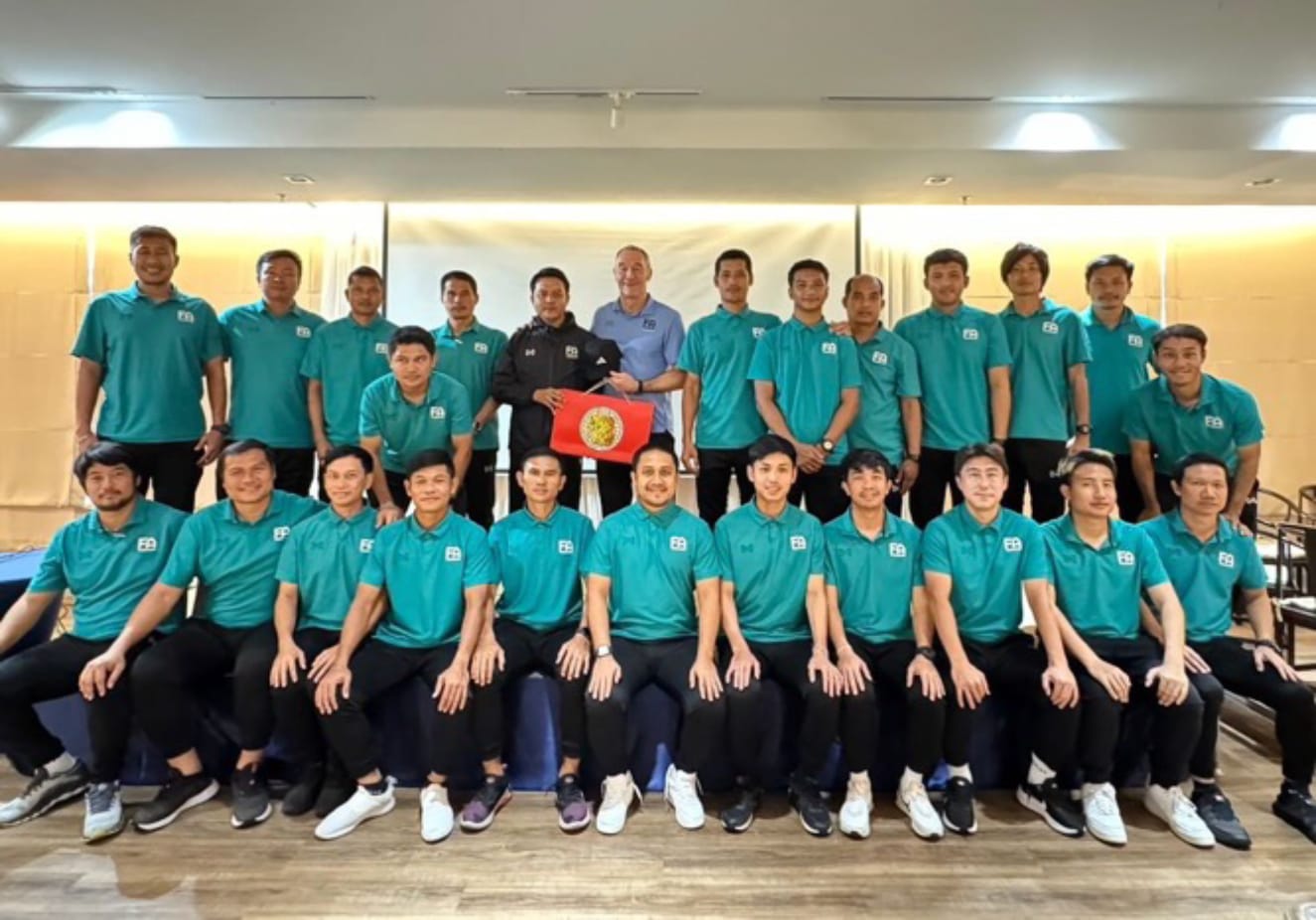
Today, he holds an AFC A License, a testament to years of perseverance and learning.
From Theory to the Real Pitch
In 2016, Otto entered professional football for the first time as a game analyst and youth coach, starting as an assistant at Loei City Airline FC, before taking charge of their U-15 team.
A year later, he joined Mahidol University as an assistant coach while simultaneously serving as a game analyst for Thailand U-16, working under Coach Thongchai “Dat” Rungreunglert.
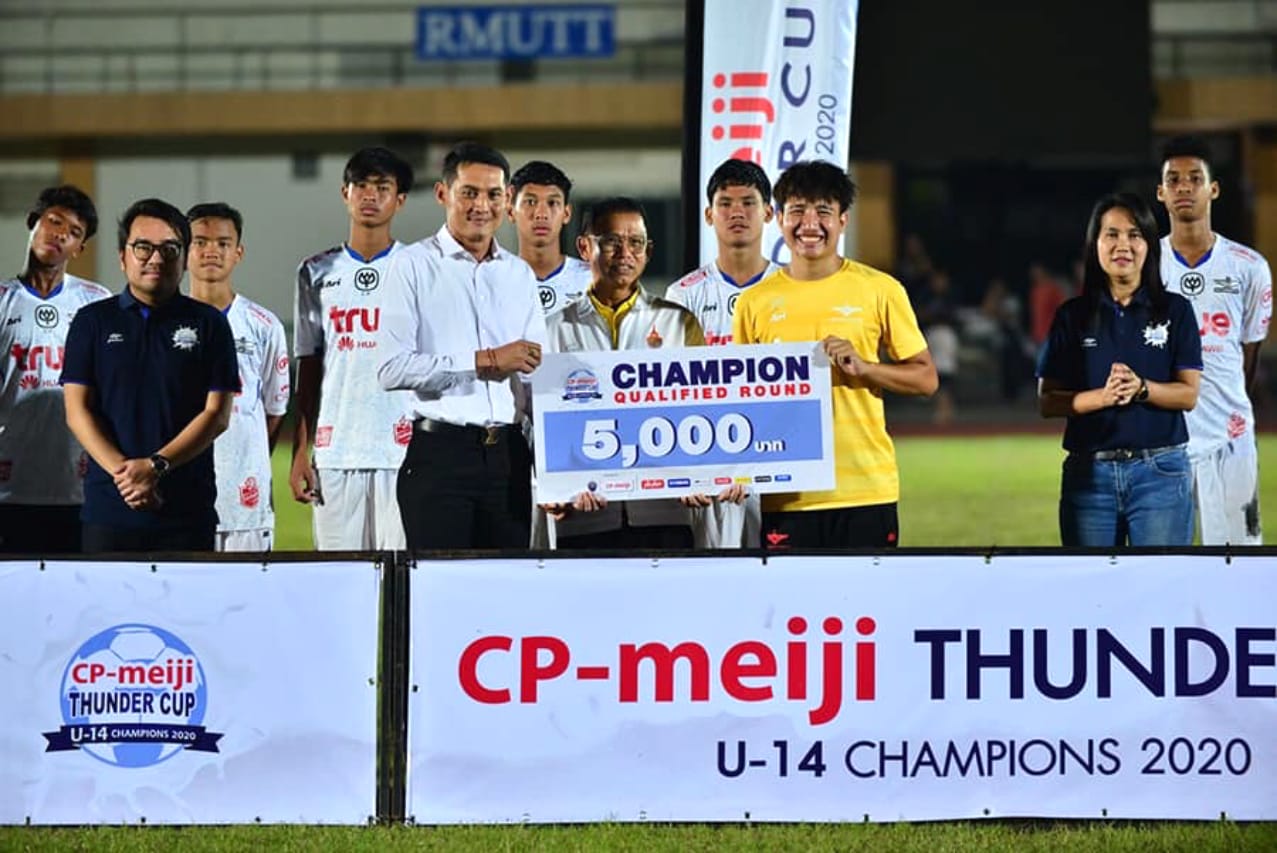
By 2018, he was appointed as a full-time youth coach at True Bangkok United, leading their U-14 team to an unbeaten run — a breakthrough that drew attention within the football community.
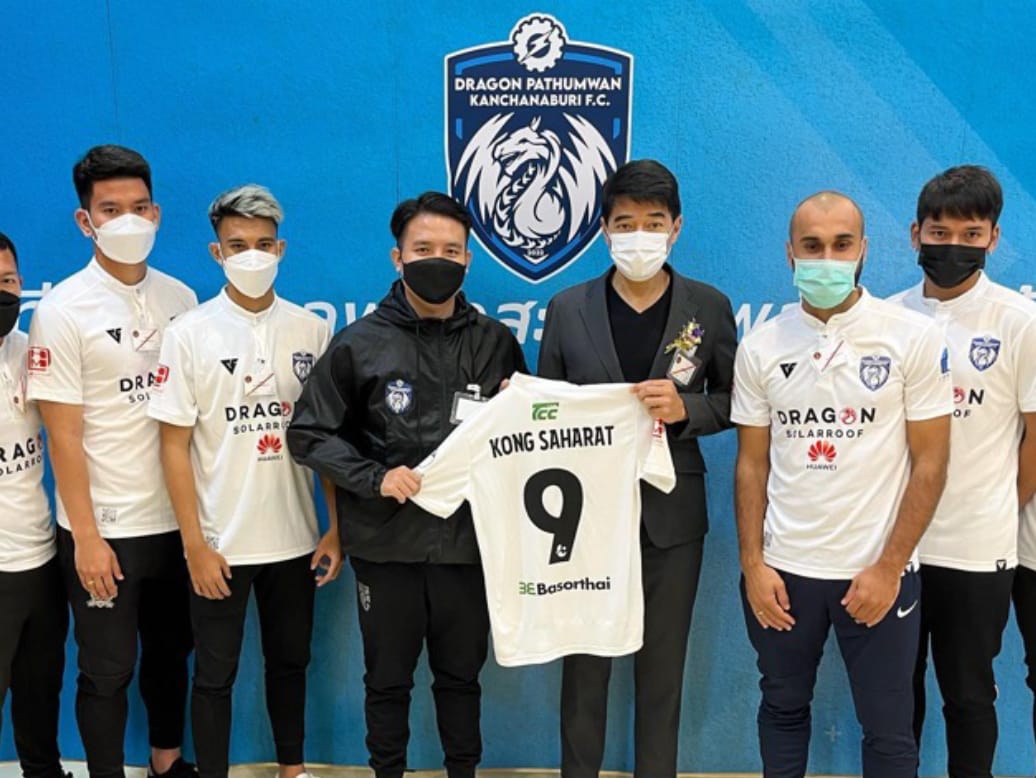
Fate eventually led him back home. Otto was appointed head coach of Kanchanaburi FC, guiding the club in Thai League 3 (Western Region). The club, now known as Kanchanaburi Power FC (Phalang Kan FC), would later rise to Thailand’s top division.
“Pushed Out of his comfort zone”
Life felt perfect. Coaching his hometown club, close to family, comfortable surroundings — everything had fallen into place. Perhaps too comfortably.
Then came the call from Chainat Hornbill, offering him a head coach role in Thai League 2. It was their third attempt.
This time, Otto hesitated and sought advice from his father. That conversation would be their last about football.
“If they’ve contacted you three times, it means they truly value you. You can’t stay comfortable forever. It’s time to leave and grow.”
It sounded like being pushed out of home — but in truth, it was an act of love.
Before signing the contract, Otto clearly remembers driving to meet Chainat’s executives at their home. He wanted to ask them directly — without hesitation.
“"What kind of football does Chainat really want from me?”
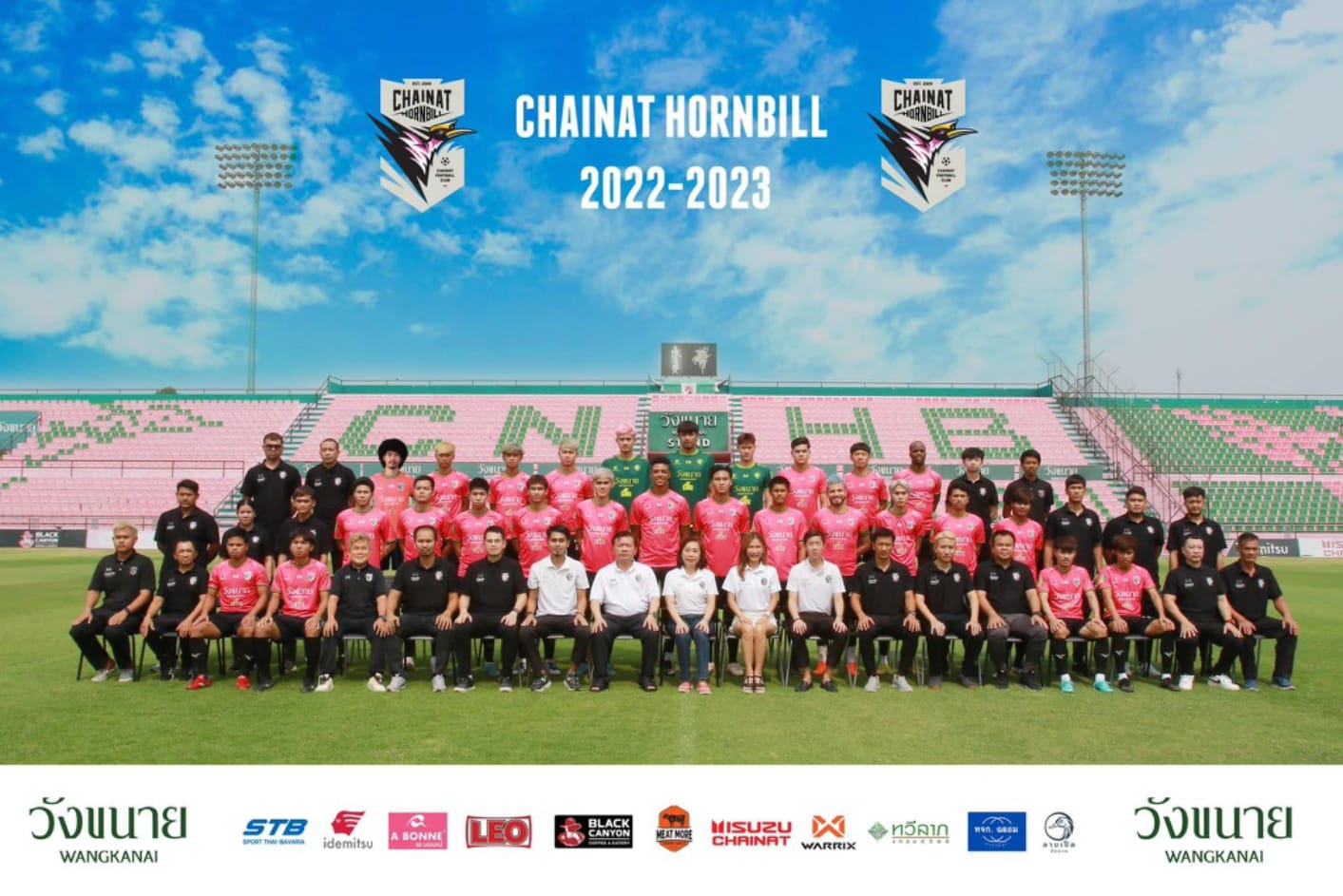
The answer he received was simple — and decisive.
“The football we want is exactly the football you are already playing.”
Otto accepted the challenge...
The Ultimate Test
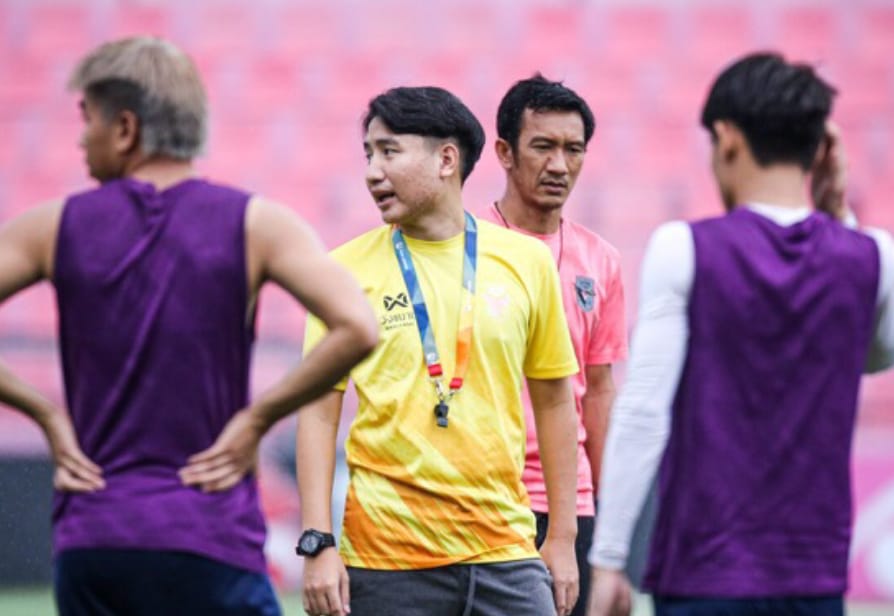
Chainat’s management offered him full trust:
“Build the team your way. Even if you lose, focus on the foundation.”
Reality was harsh. Four straight defeats followed. Pressure poured in from fans and social media. But Otto stayed silent — letting performances speak.
The turning point came soon after.
Otto’s first victory as Chainat head coach arrived in the opening match of the second leg — a win against a top-four side led by Jadet Meelarp.
If Otto were to name one Thai coach he admires the most, Jadet would be that person. He is both a senior figure from Otto’s university background
and a clear example that
A successful coach does not need to be a former professional player or a national team footballer.
Otto had previously worked alongside his role model with Thailand’s U-17 national team, where he learned important lessons in team management and leadership.
After the match, he spoke to Otto with a smile.
“I’m happy today… because my opponent is now my student.”
He had arrived...
“I cried that day,” Otto recalled.
"There was so much emotion. We were happy to finally do it, and more importantly, we proved that we could repay the trust the club had given us.”
After breaking through with his first win, Chainat’s performances gradually improved. The team collected points consistently and finished the season in a respectable position, marking one of the toughest tests of Otto’s coaching career.
His final job in Thailand came with a return to the western region once again —
not to his hometown of Kanchanaburi, but to Uthai Thani FC, a newly promoted club competing in Thai League.
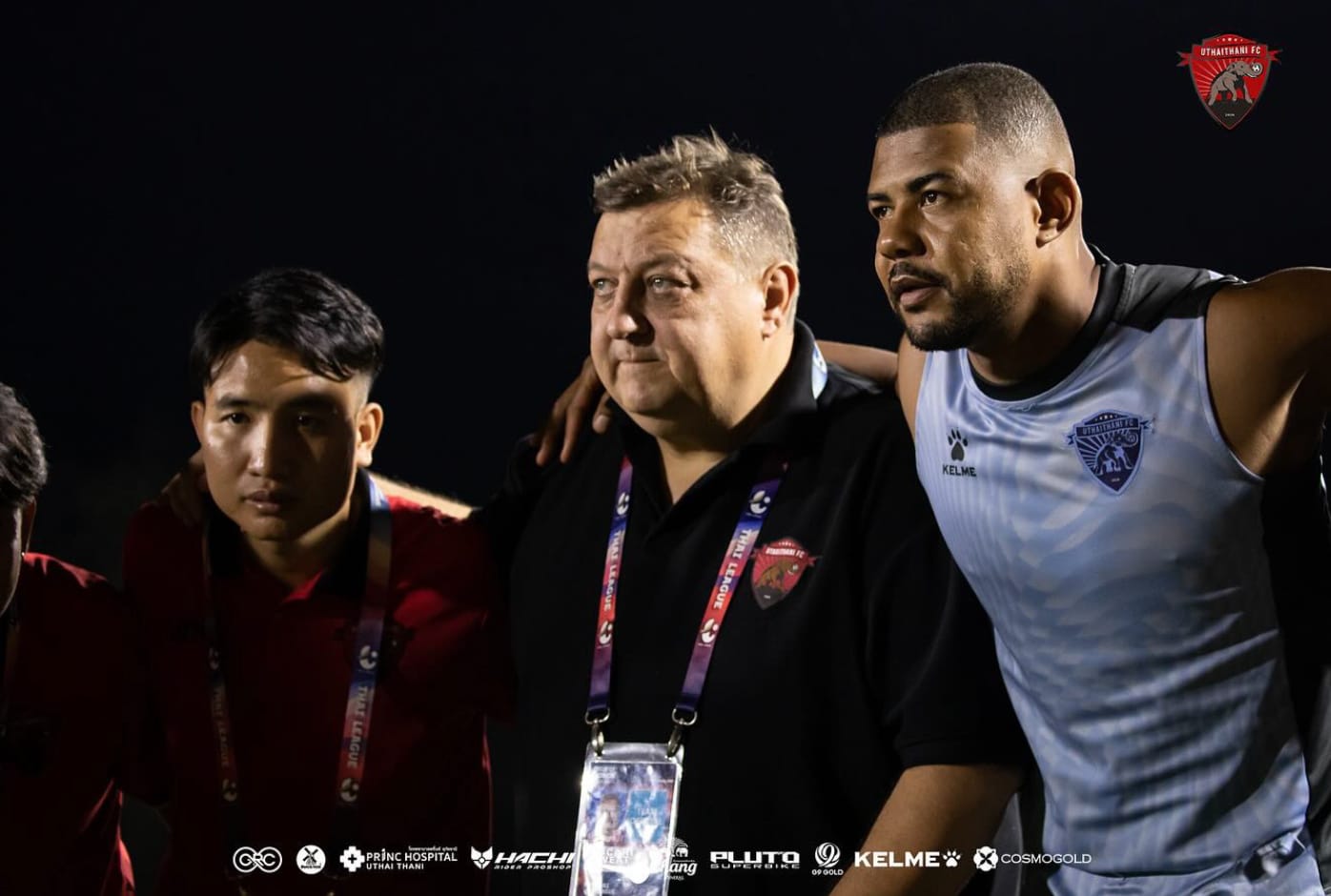
Coaching Philosophy: Managing People Before Tactics
Otto believes that man-management matters more than tactics. Footballers come from different backgrounds, cultures, and motivations. Understanding people is the true challenge.
His experience as a game analyst gives him a holistic view of football, while his approachable personality helps him earn respect — even from players older than himself.
The Football Identity of Coach Otto
Attacking football defines him. High pressing, ball possession, dynamic attacking movements — all designed to entertain while remaining flexible.
His preferred system is 4-2-3-1, chosen for balance and adaptability. Another strength lies in his tactical presentations — using video and visuals to ensure players see and understand their roles clearly.
Players He Is Proud Of
Otto takes pride in player development. Among many, two stand out:
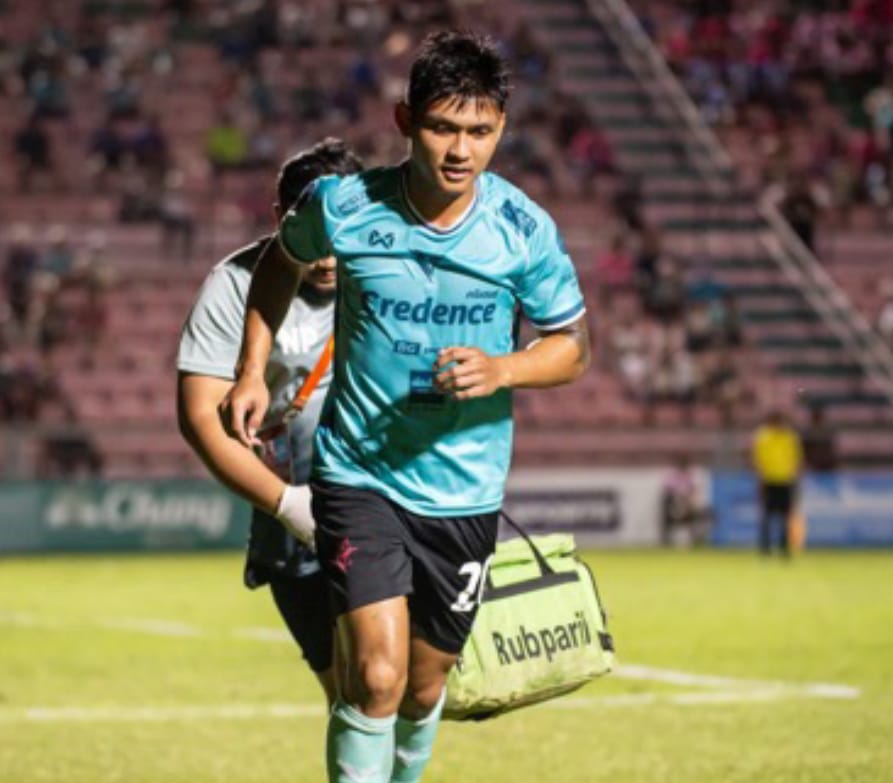
Anuwat Matarat (Chainat Hornbill – Thai League 2), whom Otto guided from youth level to becoming a first-team regular at just 18.
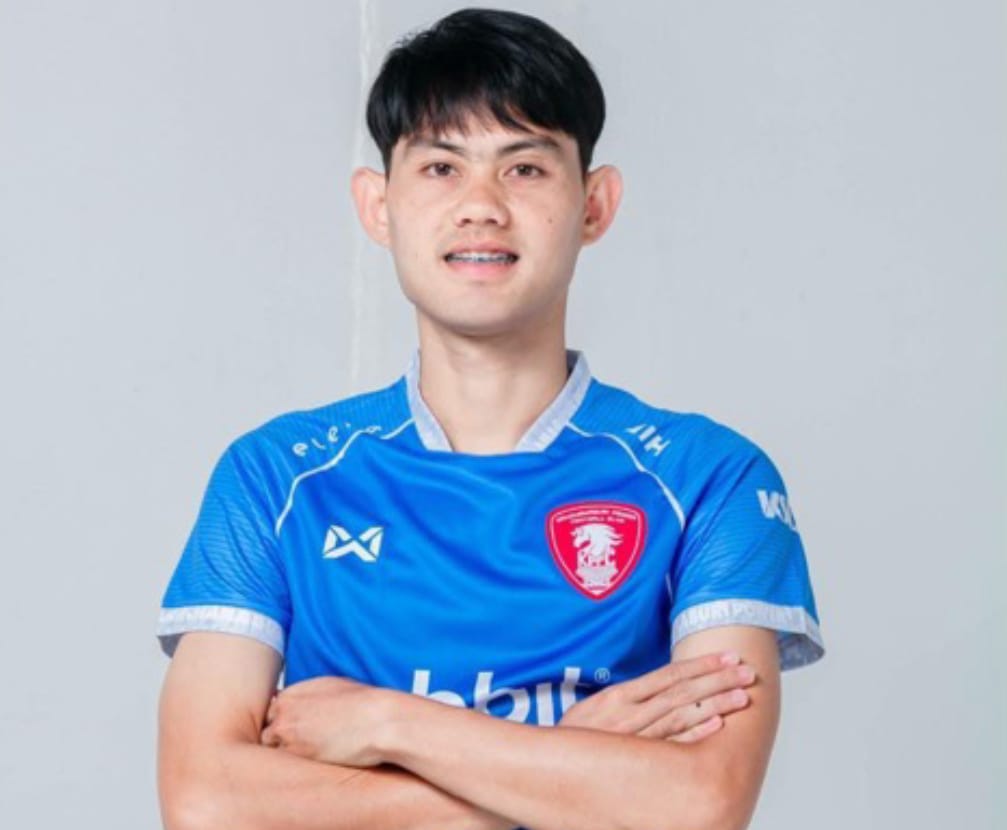
Wattana Klomjit (Kanchanaburi Power FC – Thai League 1), a disciplined right-back who played a key role in promotion campaigns with Uthai Thani FC and Kanchanaburi Power FC.
“The Next Coach” Beyond the Pitch

In 2018, Otto founded The Next Coach, one of Thailand’s earliest tactical analysis pages. Through high-quality, educational content, the page grew rapidly and reshaped how Thai fans consume football knowledge.
Writing and analysis became part of his learning process — turning ideas into long-term knowledge.
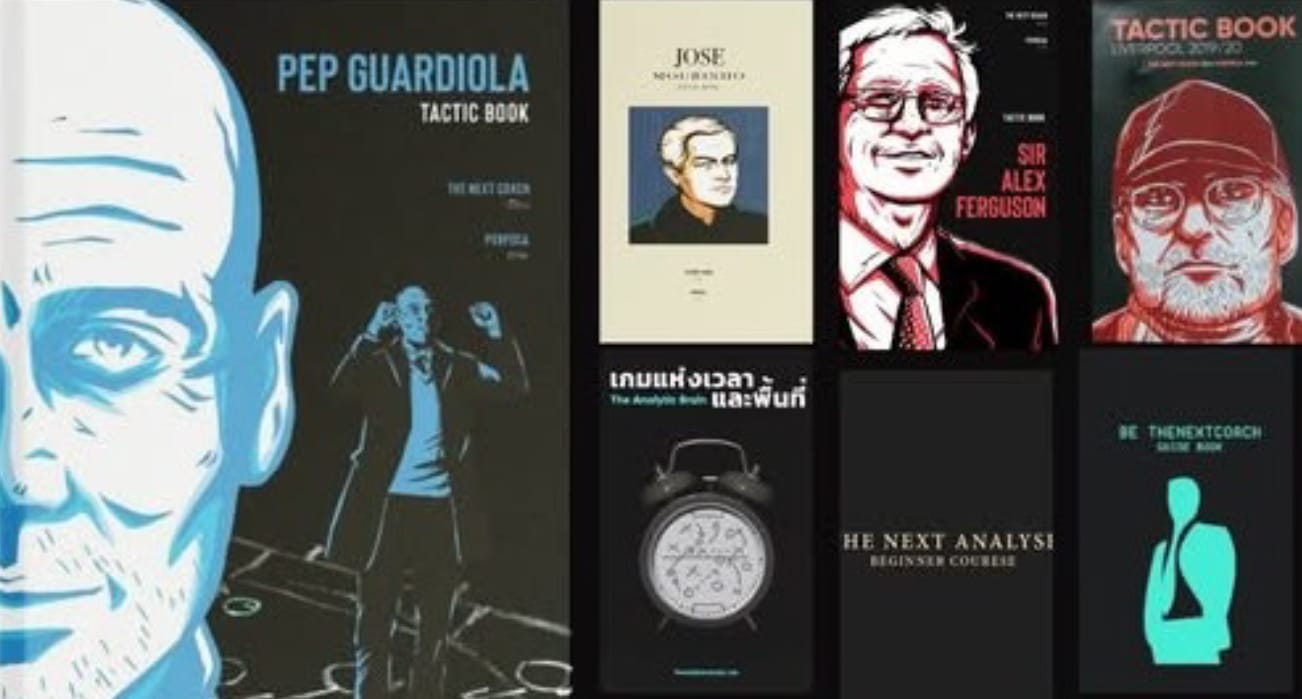
In addition, he has authored several tactical analysis books on well-known coaches, all of which have been published and received positive responses
from football fans who appreciate and follow his work.
Stepping onto the International Stage
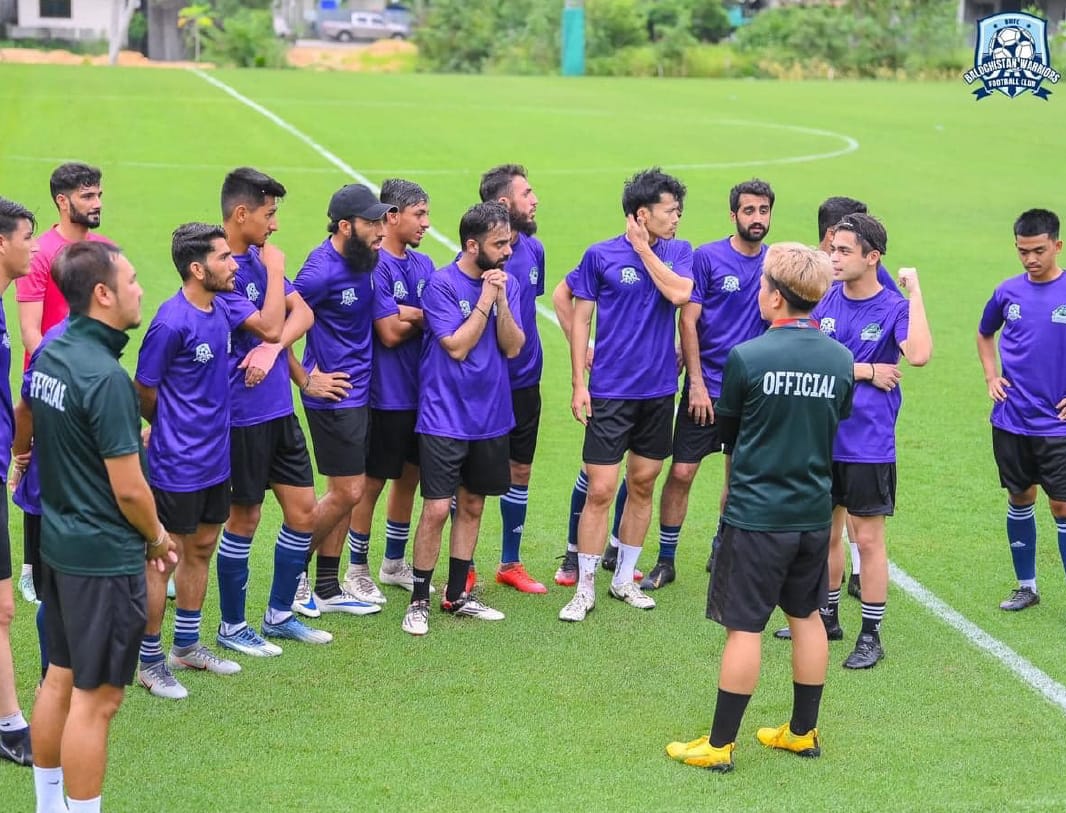
In late 2023, Otto accepted an overseas role with Balochistan Warriors in Pakistan’s top league — a historic first for a Thai coach — though the league was later cancelled.
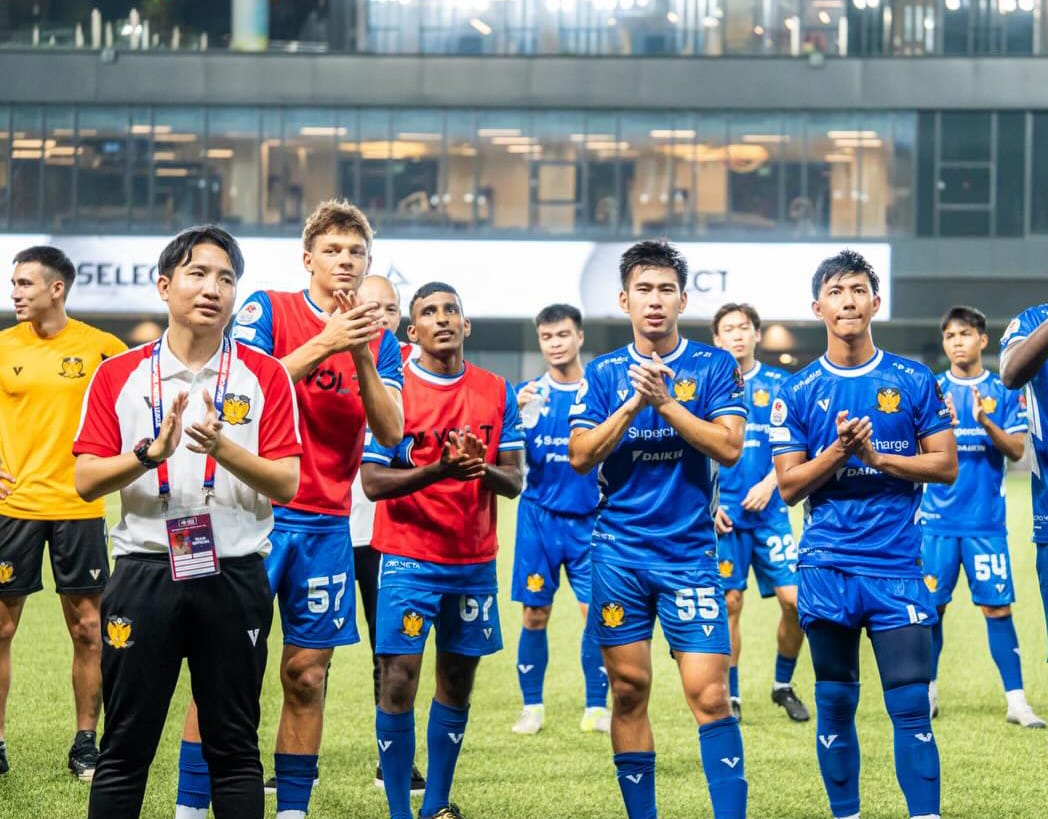
In 2025, he joined Hougang United (Singapore) as Youth Development Director and Reserve Team Head Coach, before being promoted to Head Coach of the senior team.
Prior to Otto’s arrival, the club strengthened its squad by recruiting several Thai players, led by Thailand U-23 national team forward Yotsakon Burapha.

His mission is clear: build structure, identity, and long-term growth.
In his first in a domestic cup competition —Hougang United secured a 3–2 victory. Otto noted that the players responded positively, showing strong openness toward new ideas and tactical approaches.
He believes the team will continue to improve step by step.
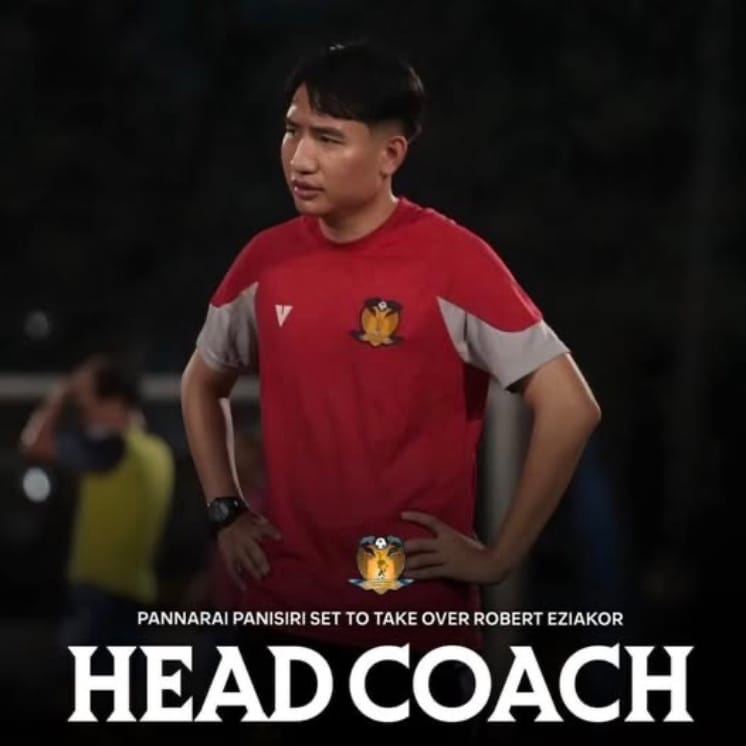
Otto also shared a message for the fans:
“Please continue to support Hougang United. I send my regards to Thai football fans, and I would like to say hello to all football fans in Singapore.”
I am Pannarai Pansiri, from Thailand.
Dreams Still Ahead
“My dream has always been to coach in the Premier League one day.”
It may seem distant — but Otto believes every step matters.
As the Chinese philosopher Laozi (老子) once said:
“A journey of a thousand miles begins with a single step.”And his journey has already begun.
Follow & support him at Facebook: The Next Coach